
Winter storms can bring more than cold temperatures. Power outages, limited heating options, and increased electrical demand can quickly turn a comfortable home into a hazardous environment if safety precautions aren’t followed. Properly using space heaters, extension cords, and generators helps protect your home and everyone inside during severe winter weather.
Preparing ahead of time makes a significant difference when storms arrive.
Using Space Heaters the Safe Way
Space heaters can provide helpful supplemental warmth during winter storms, but they must be used carefully. Heaters should always be placed on a flat, stable surface away from furniture, curtains, and other combustible materials.
Only use space heaters with automatic shut-off and tip-over protection. These features reduce the risk of overheating or accidental fires. Space heaters should never be left running unattended, especially overnight or when no one is home.
Plug space heaters directly into a wall outlet. Avoid power strips or extension cords, as they may not be rated to handle the electrical load safely.
Extension Cord Safety During Storms
During winter storms, extension cords are often used to power temporary heating or lighting solutions. Not all extension cords are created equal, and using the wrong type can be dangerous.
Always choose heavy-duty extension cords designed for indoor use and rated to handle higher electrical loads. Cords should be free of damage and never run under rugs or through doorways where they could be pinched.
Avoid connecting multiple extension cords together. This increases resistance and heat buildup, which can create electrical hazards. Keeping cords organized and visible helps reduce the risk of accidents.
Generator Safety During Power Outages
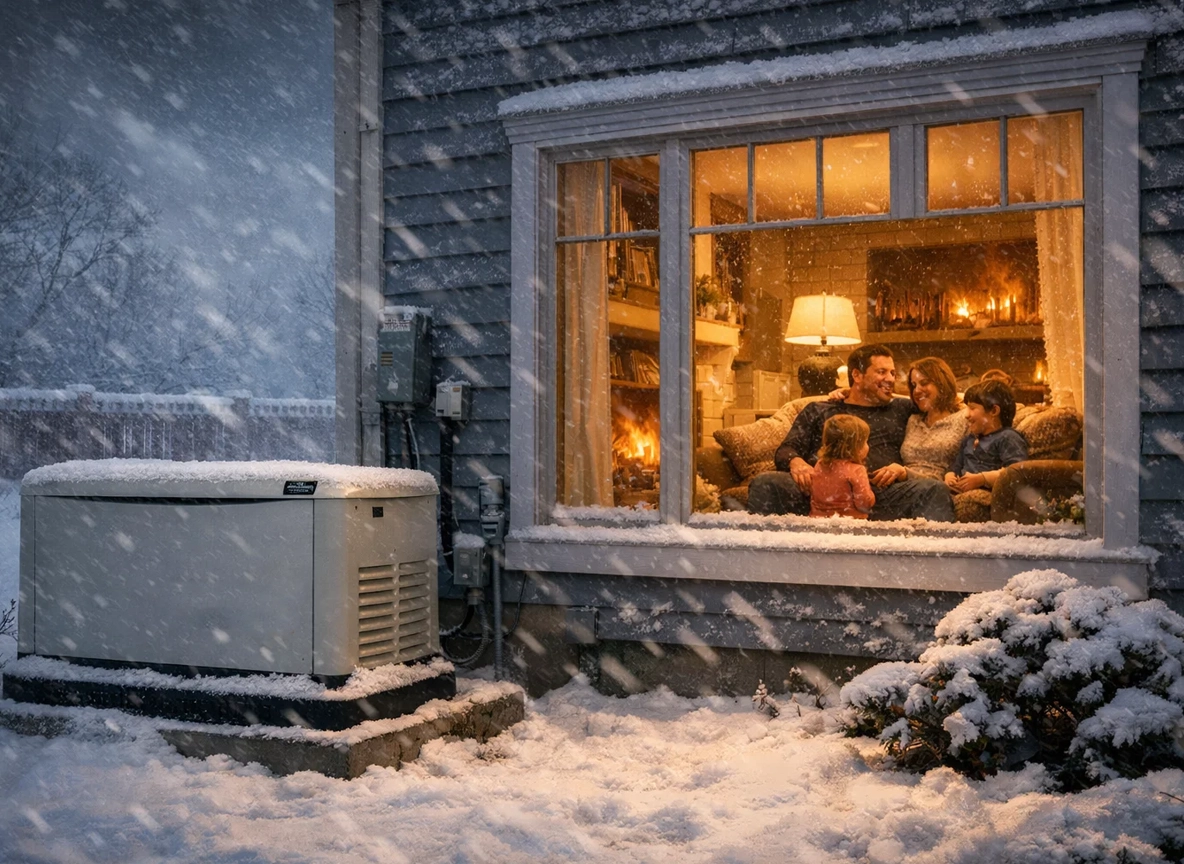
Generators can be a valuable resource during extended outages, but improper use can pose serious safety risks. Generators should always be operated outdoors and at least 20 feet away from doors, windows, and vents to prevent exhaust from entering the home.
Never run a generator inside the house, garage, or any enclosed space. Carbon monoxide is odorless and dangerous, so proper placement is essential. Extension cords used with generators should be rated for outdoor use and heavy electrical loads.
Generators should power only essential equipment. Overloading a generator increases the risk of malfunction and electrical damage.
Protecting Electrical Systems During Winter Weather
Winter storms can strain home electrical systems. Using multiple heating devices or temporary power sources increases demand, making safety practices especially important.
Avoid plugging high-demand appliances into the same outlet. If circuit breakers trip or lights flicker, reduce electrical use immediately. These signs indicate the system is under stress and may require professional attention.
Preparing Before the Storm Hits
The best time to prepare for winter storm safety is before severe weather arrives. Check heating equipment, inspect cords and devices, and ensure emergency power options are ready and safely positioned.
Understanding proper usage helps prevent emergencies when conditions are already challenging.
Professional Help Makes a Difference
If you’re unsure whether your electrical setup is safe for winter storm conditions, professional evaluation provides peace of mind. Trained professionals can assess equipment, wiring, and safety practices to help reduce risks during extreme weather.
Stay Safe This Winter with Scaran
Winter storms don’t have to put your home at risk. With proper preparation and safe use of equipment, you can stay warm and powered without compromising safety. Scaran provides professional services to help homeowners stay safe during winter weather.
For expert guidance and reliable service, contact Scaran today to schedule an appointment with our professionals.